

Whoa!
Risk assessment in Web3 feels like controlled chaos sometimes.
You sign a transaction and hope nothing unexpected goes sideways or that somethin’ weird happens on-chain.
On reflex I trusted wallets blindly for years, until a nasty replay attack and a permissions lag made me rethink what “convenience” really meant in the wild, permissionless world of DeFi.
This piece is for people who want real controls, not just nice UI polish.
Seriously?
Simulating transactions is the single most underrated defense we have.
A good simulation will surface failing calls, reverts, and gas spikes before you hit send.
Initially I thought a preview of calldata and simple gas estimates would be enough, but then I realized simulations need deeper stateful modeling across contract interactions and off-chain oracles.
The tricky part is balancing simulation fidelity against practical speed.
Wow!
Wallets that simulate show you more than a green checkmark.
They expose pending approvals, token allowances, and the hidden approvals some approvals bundle with them.
I’ll be honest—seeing a full stack simulation with state diffs, internal transactions and expected event emissions turned a lot of “this seems fine” decisions into “wait, we need a rollback or an extra guard” moments, which saved real value in my own accounts.
That kind of detail nudges you to ask better questions.
Here’s the thing.
Not every simulation is created equal in practice these days.
Some only check gas and nonce, which is better than nothing but still shallow.
On one hand a fast, client-side heuristic helps everyday users avoid obvious mistakes; though actually, for power users interacting with composable protocols, you need chain-synced state, forked simulations, and the ability to replay historical blocks to catch emergent failure modes that only show under certain calldata sequences.
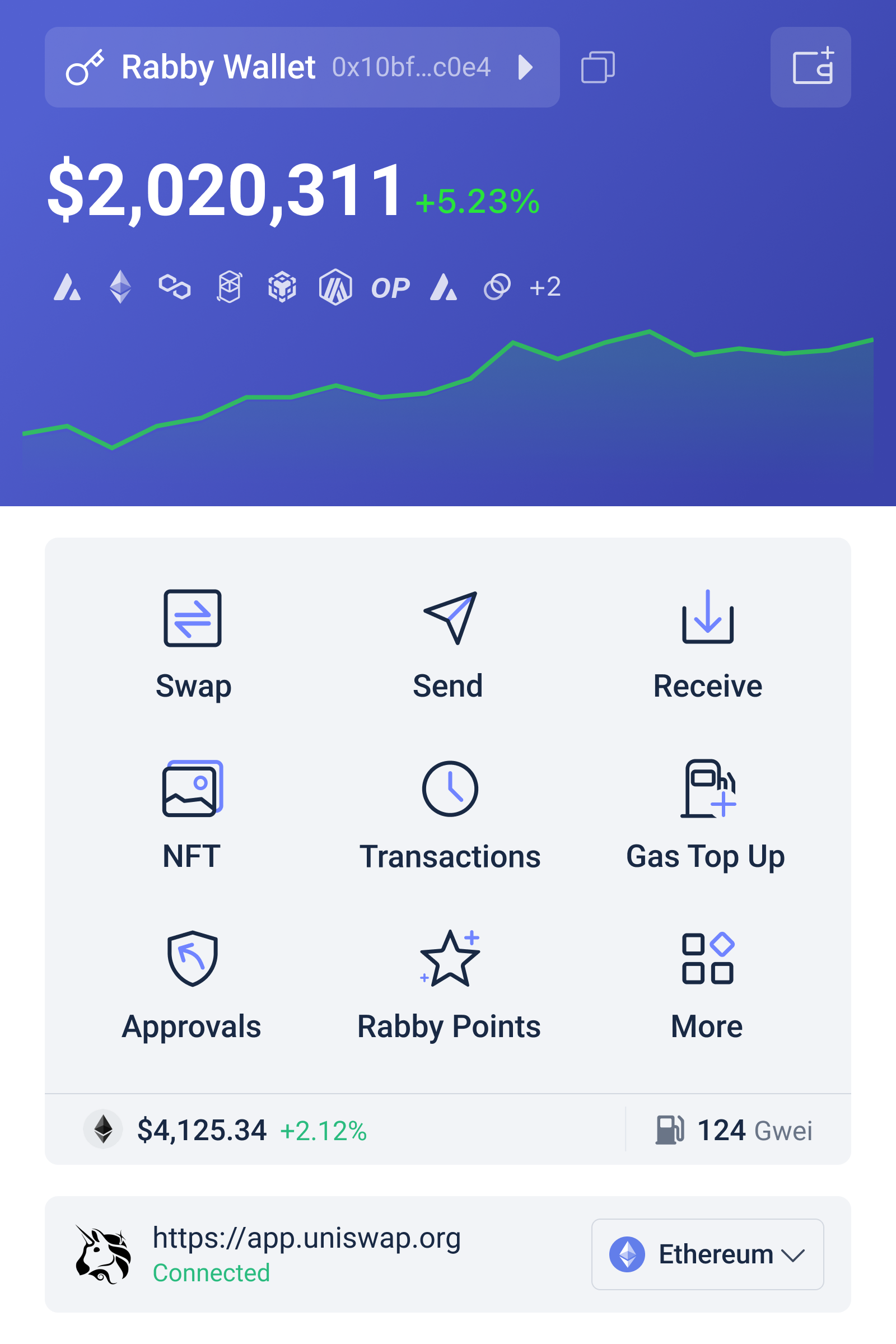
This is where a wallet’s architecture matters a lot, and I favor rabby wallet that prioritize simulation and clear permission controls.
Hmm…
The security model of a wallet is more than private keys.
It includes permissions UX, approval batching, fallback behaviors, and hardware integration.
If a wallet simulates but still asks for blanket allowance permissions with three clicks and no clear state diff, you haven’t reduced risk much; in fact you’ve shifted it into a “trust us” black box, and that part bugs me.
I prefer wallets that force review on allowance granularity and show estimated downstream effects.
Seriously?
One practical step is to prefer wallets that let you run forked simulations.
Forked sims let you test against a live snapshot, exposing oracle lags and reentrancy.
Hardware wallets and multisig setups complement simulation, because they add human-two-factor checkpoints and policy gates that a pure software flow can bypass, though they also introduce UX friction which teams must mitigate thoughtfully.
If you care about capital preservation, demand that level of scrutiny.
Okay, so check this out—what to look for in practice.
First: clear, line-by-line simulation output showing state diffs and internal calls.
Second: allowance management that defaults to minimal scopes rather than blanket approvals.
Third: forked-state testing or on-chain shadow runs for complex interactions.
Fourth: policy gates like multisig or spending limits for large value transfers.
I’m biased, but wallets that bake transaction simulation into the user flow change behavior for the better.
This is very very important when interacting with freshly deployed contracts or high-leverage positions.
Someday these features will be table stakes, but until then, treat simulation as your first line of defense, not an optional nicety…
FAQs
What exactly does “simulation” reveal?
A good simulation shows call execution order, internal transactions, state diffs, estimated gas usage, and expected event emissions so you can see how funds and approvals move.
Can simulation prevent all hacks?
No, it can’t stop every exploit, but it reduces surface area by surfacing unexpected behaviors before signing—think of it as triage that prevents many dumb mistakes.